A Problem Shared is a Problem Halved
In 2023, Architecture Matters celebrates over two decades of practice – no mean feat in a competitive and ever-changing industry. Co-directors for the past 15 years, Anthony Quigley and Anthony Gionfriddo met as student architects at RMIT in the 1980s, being sole directors of their own practices before considering partnership. Joining forces in 2008 represented a meeting of minds and compatible professional strengths. The pair share a humble, creatively pragmatic approach to their work, yielding abundant opportunity in the years since.
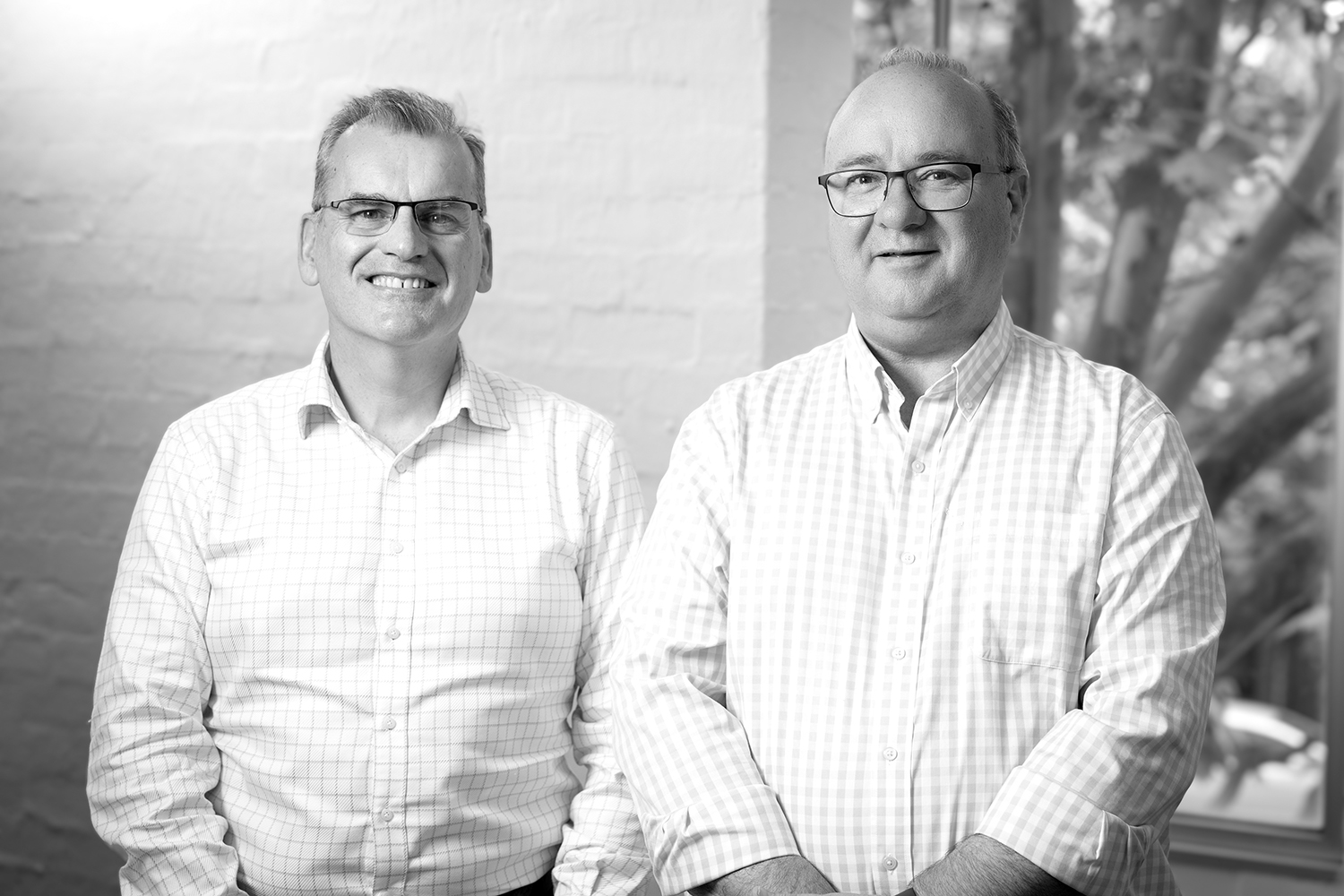
“We’ve always been a bit wary of the cult of the celebrity architect. Our work is always in service of the project,” says Anthony Gionfriddo.
Formative Years and Memorable Milestones
Anthony Gionfriddo joined as co-director in 2008, bringing strong residential design capability to our small team of 4 – 5 staff. Combined with an extensive portfolio of local government and public housing projects cultivated by company founder Anthony Quigley, our practice maintains a well rounded skill set.
In the years since, we’ve grown to a team of 13 architects and designers, working across a steady stream of residential projects while building relationships and expertise in local government and educational projects.
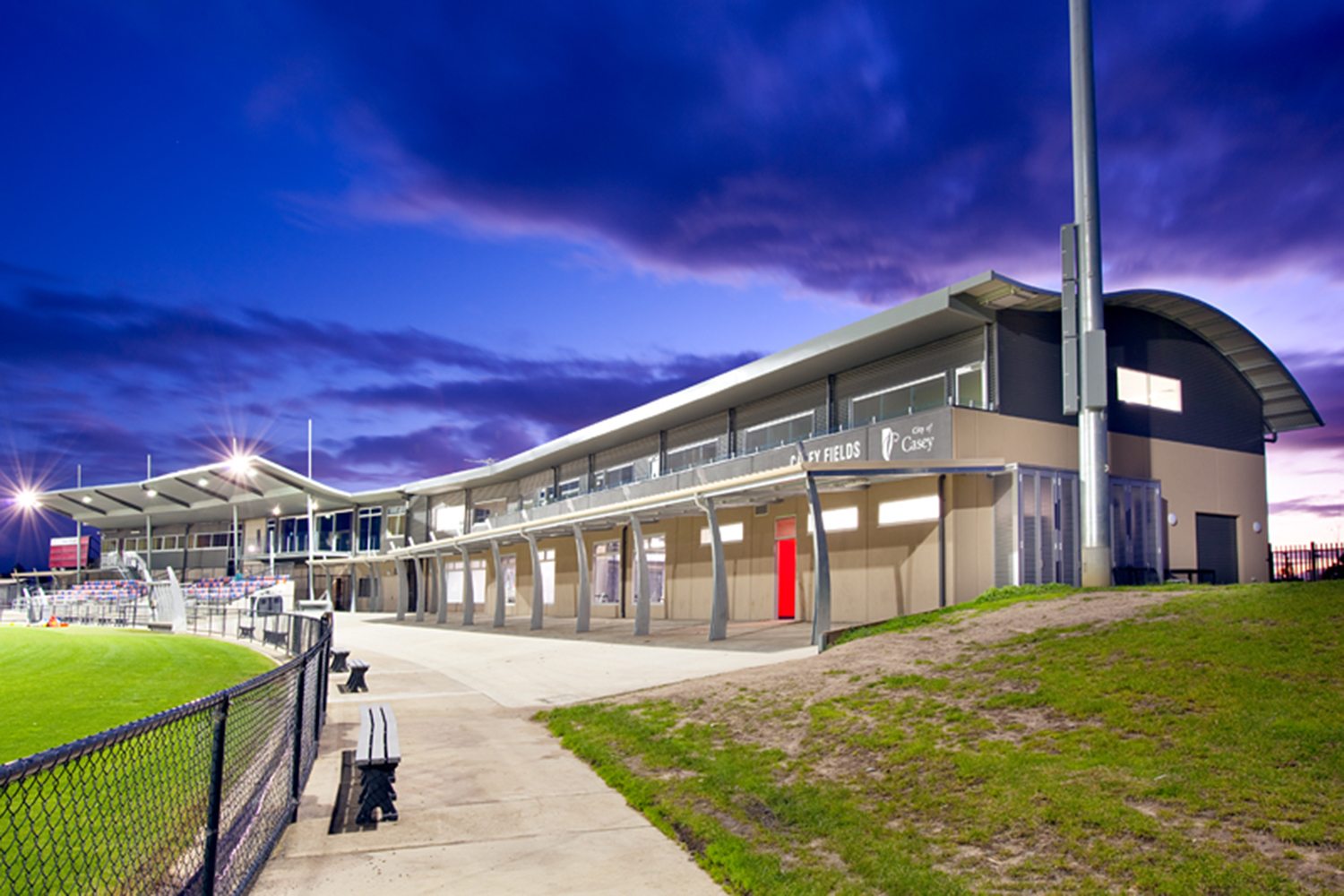
The partnership between the Anthonys bore fruit almost immediately, being awarded the Casey Fields VFL Grandstand extension by the City of Casey in 2008. This project marked our progression into significant community infrastructure projects. From working with fewer than five Victorian councils, Architecture Matters now regularly liaise with around 20, contributing early-stage project advice through to full design and administration services as trusted collaborators on a variety of sporting pavilions, early education and office projects.
“Over time, our public work has positioned us to be seen as a valuable part of a council’s solution,” says Anthony Quigley.
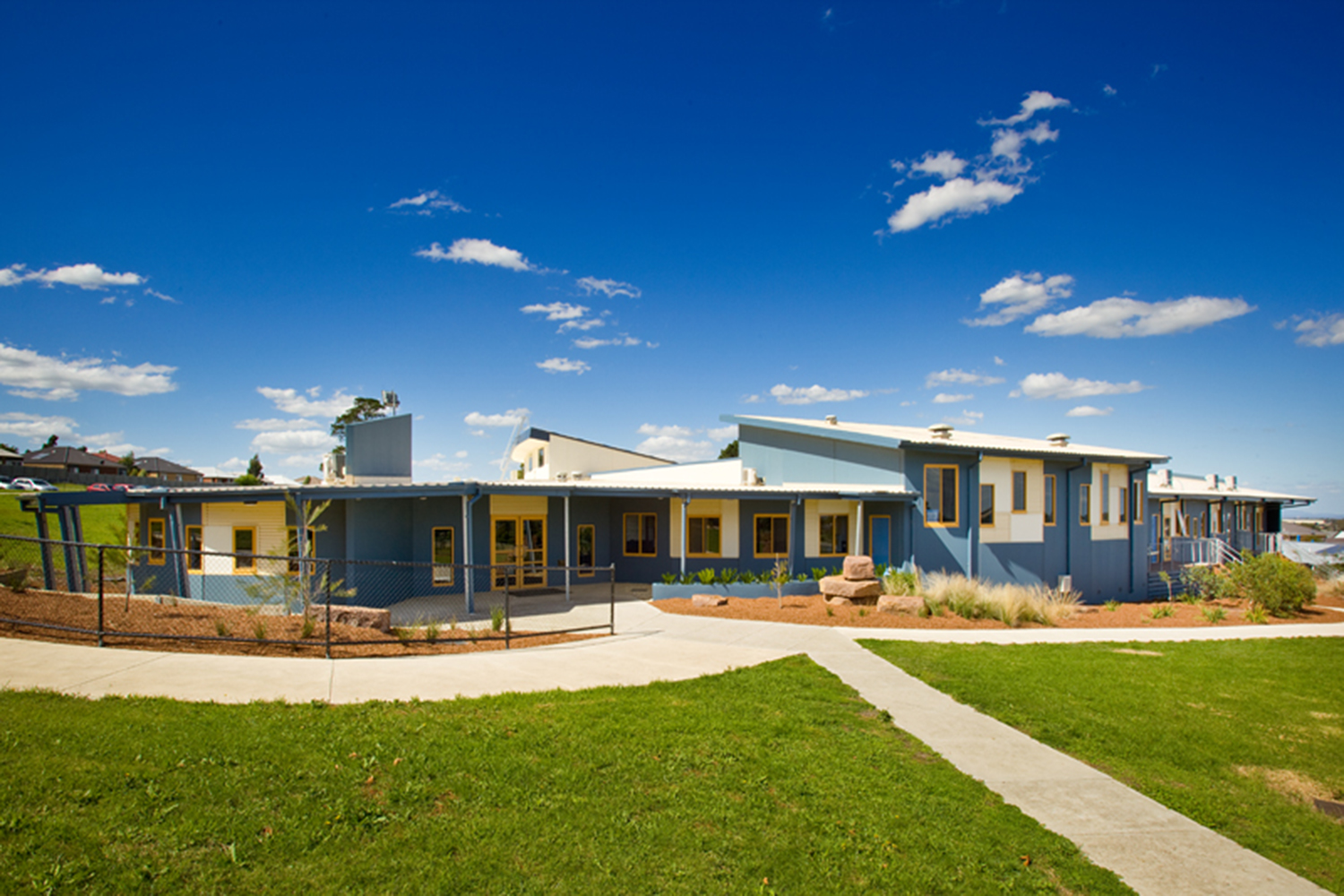
Our breakthrough in education work came in 2009, with Mother Teresa Primary School in Mt Ridley, Victoria. Architecture Matters reviewed and updated the school’s master plan to better align with its 21st century pedagogy. We have since delivered over $4 million worth of new school buildings over three stages of construction, including a contemporary library, learning street, classroom wing and an inspired senior leadership centre.
This paved the way for other educational projects, including Our Lady of the Way Catholic Primary School in the rapidly growing town of Wallan East, Victoria. Architecture Matters redeveloped the school’s master plan and has so far designed three stages of construction, helping the school grow from 60 students to over 600 students in only five years.
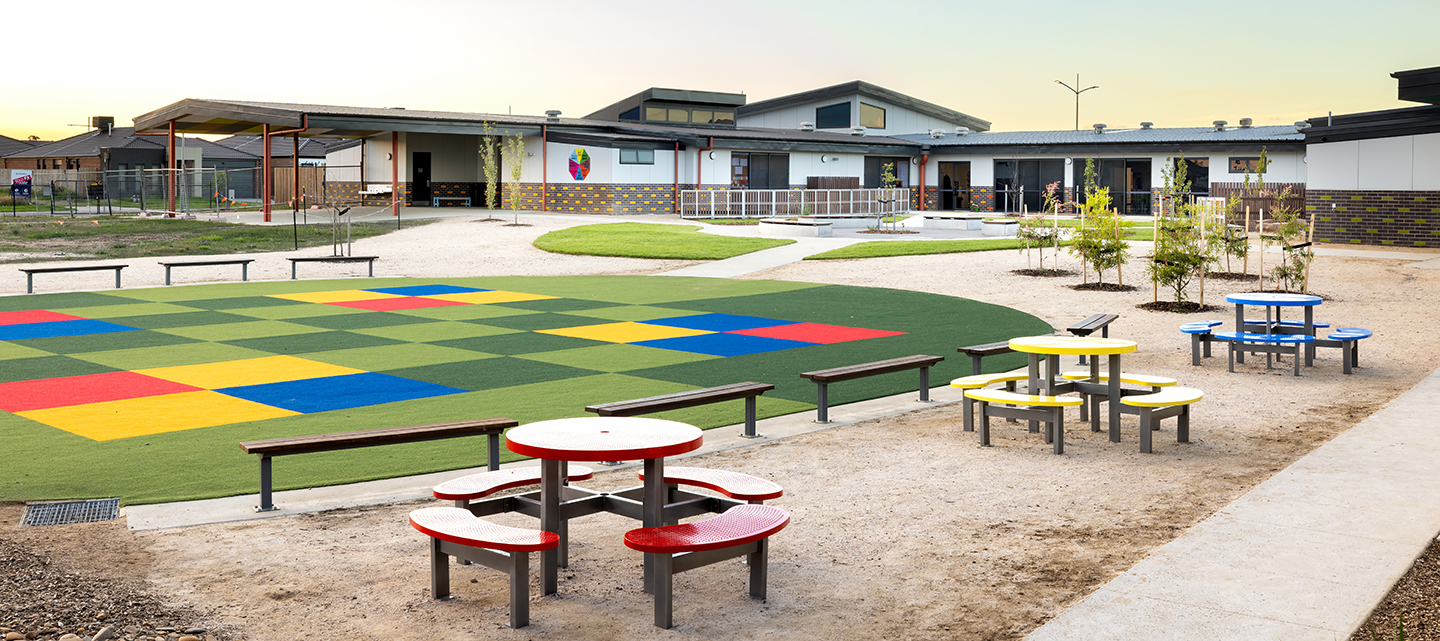
Similarly, our recent work for the Victorian School Building Authority includes the complete redevelopment of Exford Primary School Exford, a masterplanned, multi-stage, $32 million transformation of the existing school with new administration, junior, senior, specialist and outdoor learning buildings, community hub and gym, playspaces and landscaping, as well as significant trunk infrastructure works.
Building Resilience Through Innovation
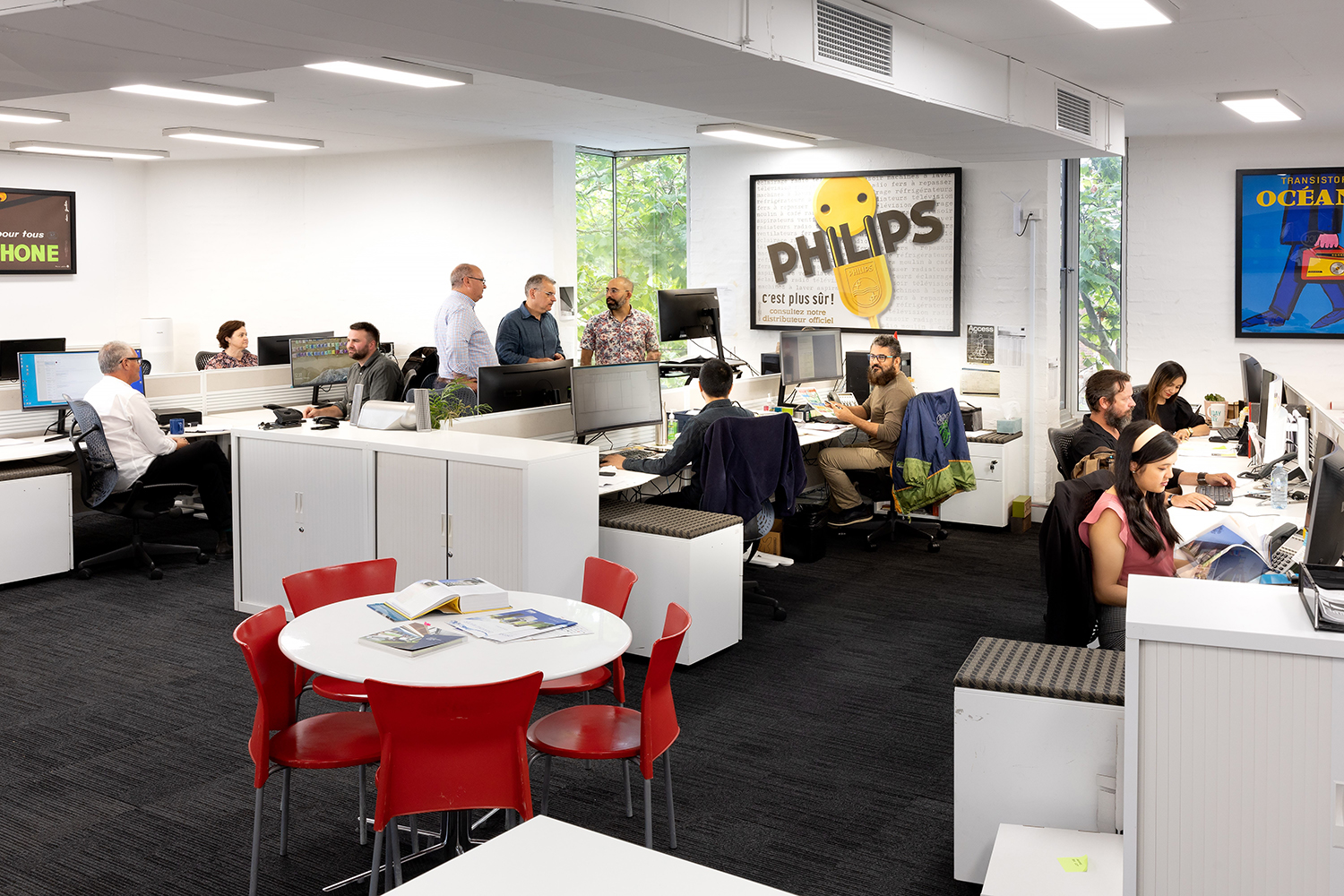
As the recent disruptions of COVID have proved, we are proud to note that our practice has enjoyed remarkable stability throughout good times and bad. We see this as a product of repeat business from satisfied clients, sound fiscal management, and investing diligently in software, equipment and staff, backing each other even during times of uncertainty.
During the global financial crisis in 2009, we invested in Archicad, a building information modelling (BIM) software package. While the software promised increased productivity in the long term, it required significant upfront costs to secure software licences and train staff in the first instance. Despite this, we stayed the course. Today, our BIM expertise has since evolved into a critical strength, enabling efficient and accurate project delivery.
“The ability to communicate through 3D visualisation is key. It makes things real for people,” says Anthony Gionfriddo. “Our clients like that they can see what they’re getting.”
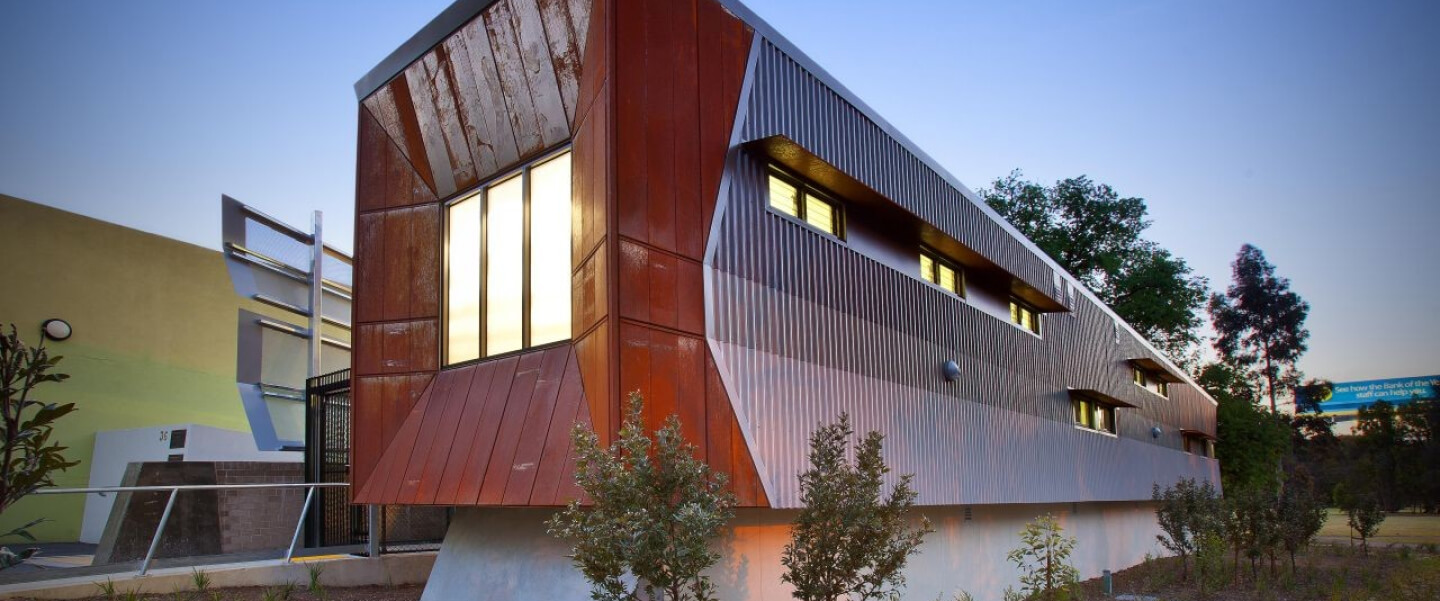
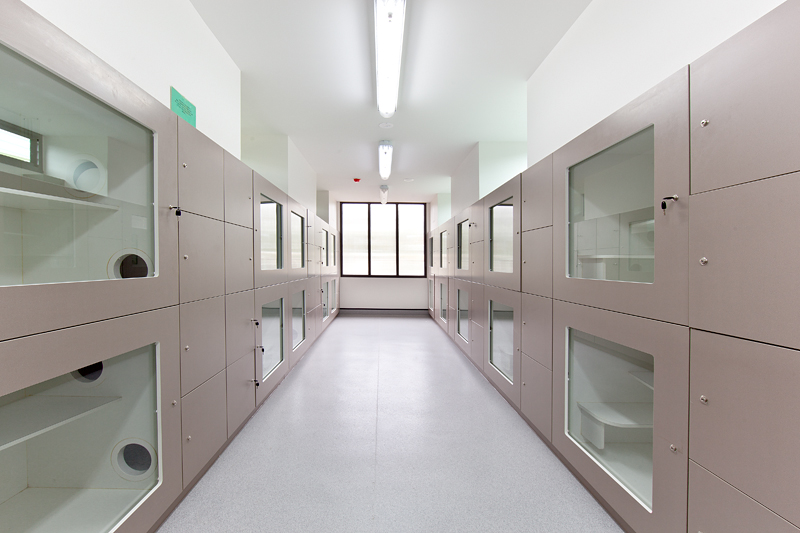
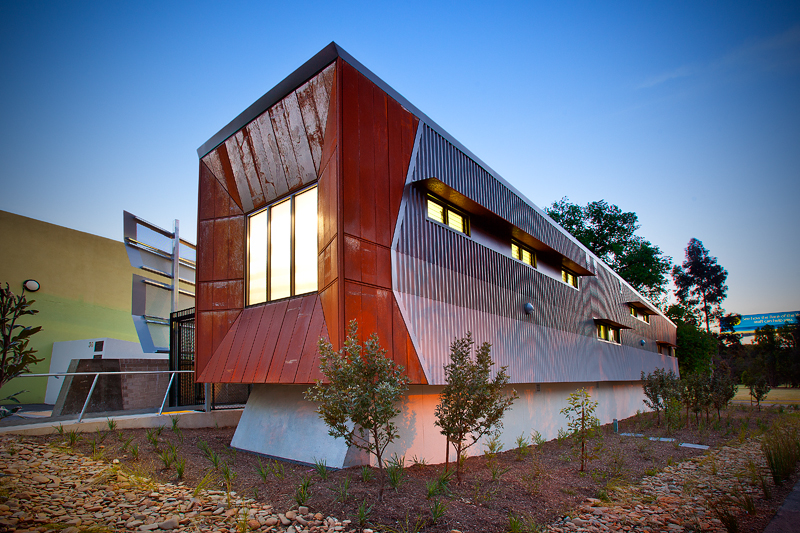
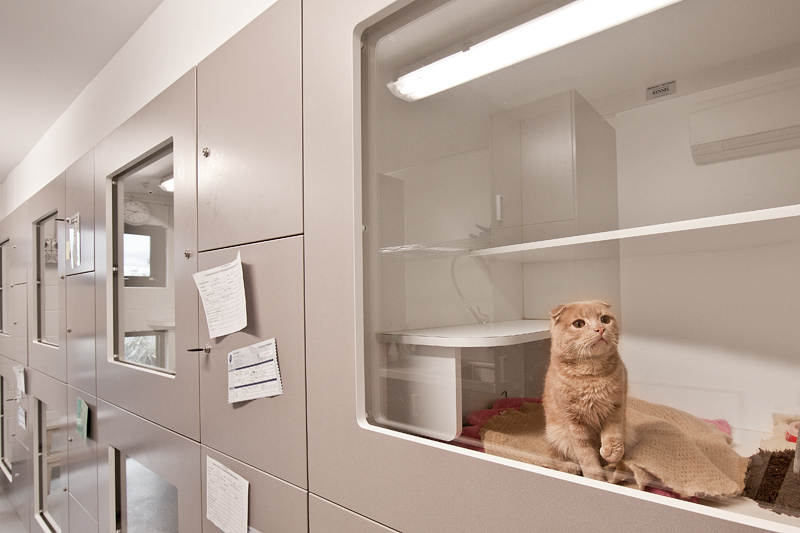
The global pandemic reaffirmed our ability to thrive in a challenging environment. Before COVID, remote work seemed unachievable. However, with advice from our IT consultants and reconfiguration of our software, we were up and running in just over a day. The practice successfully delivered various complex projects during this time, including Our Lady of the Way Catholic Primary School Stages 2 and 3, Prahran Square Library and Customer Services Hub, the Save-A-Dog Scheme Animal Shelter Redevelopment, and the Dorrington Avenue, Glen Iris Renovation and Extension.
What’s Next?
Meeting 2023 with a renewed focus, our directors are actively reinvesting in the business, revamping our company branding to reflect its maturity. The new website platform better showcases our broad experience and a portfolio developed over 22 years, along with a talented and ever-growing team.
Looking forward, Architecture Matters will continue to pursue community, educational and specialised projects with a greater scope, achieving positive community impact on a larger scale. The foundation of our partnership 15 years ago remains the driving force of our practice: designing buildings that matter, for people that matter.