Sacred Heart Primary School | LEA Awards 2022

Our Sacred Heart Primary School, Fitzroy was recognised with commendations in two categories at the 2022 Victoria and Tasmania Chapter Learning Environment Australia (LEA) Awards:
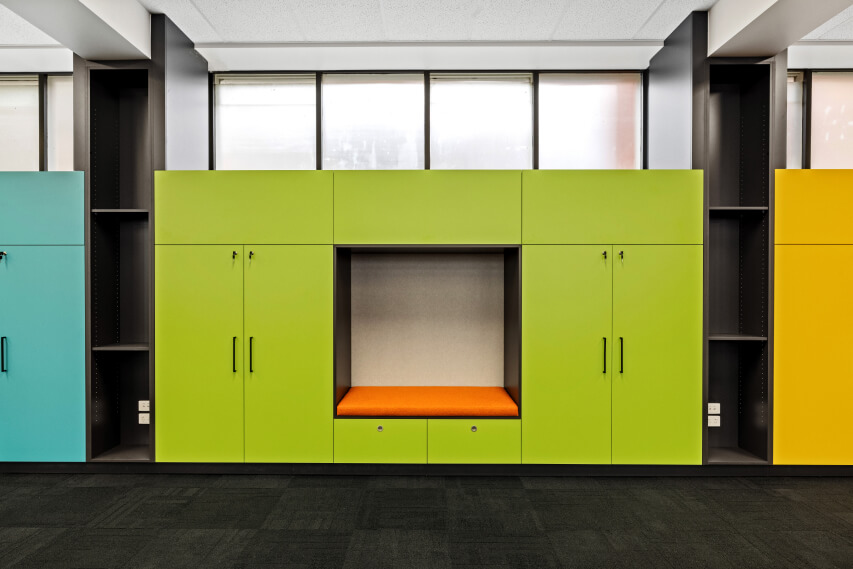
Sacred Heart Primary School, lockers on the lobby

Excerpts from the judges citations for each commendation include:

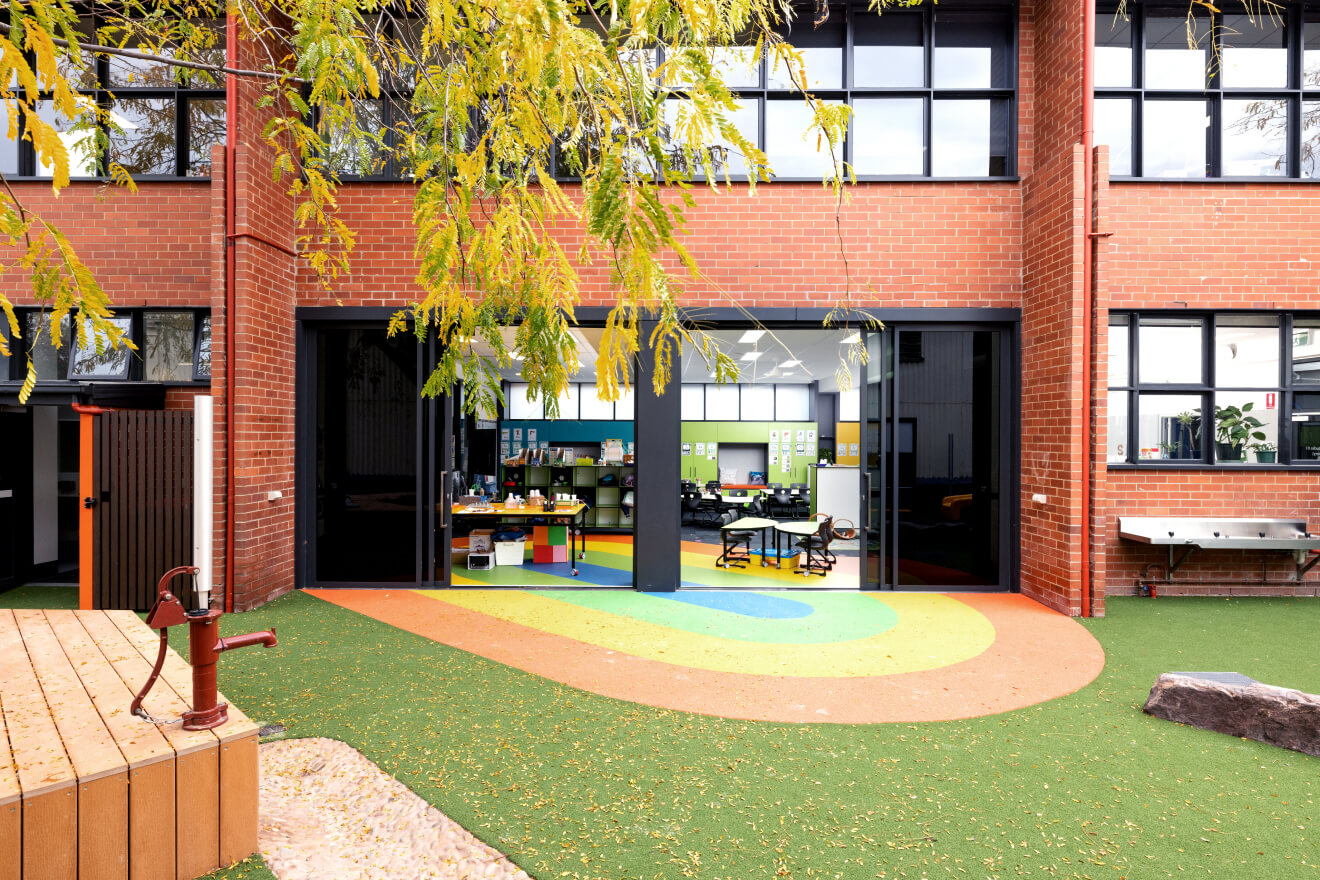
“This is a small project with a big impact. The objective was to transform learning areas and adjacent outdoor play areas to enable the delivery of contemporary pedagogy in order to improve learning outcomes.”

“With the relatively limited budget, the project team was able to maximise use of what was previously unused areas of the building to create vibrant, inviting and more flexible learning spaces that is able to accommodate more agile ways of teaching and learning creating a built environment that is more aligned to the school’s pedagogy.”
Posted in Educational, PublicationsTagged

Stonnington Pound Development | Arch Daily 2013

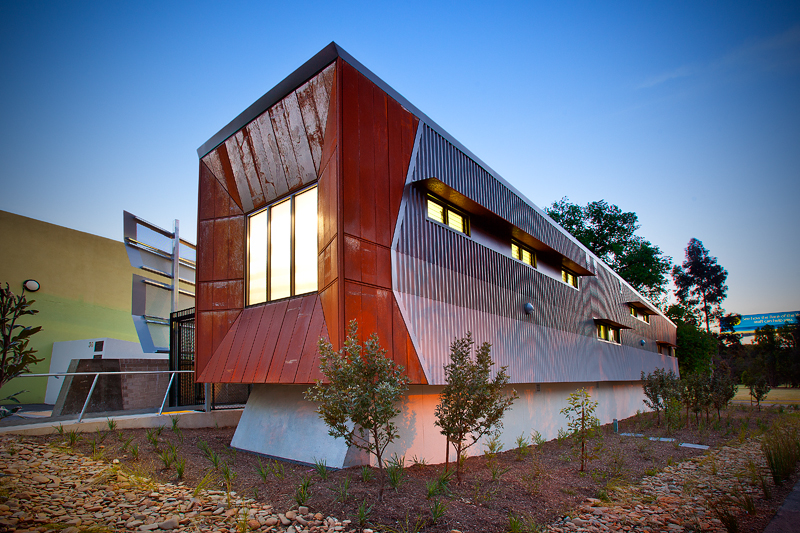
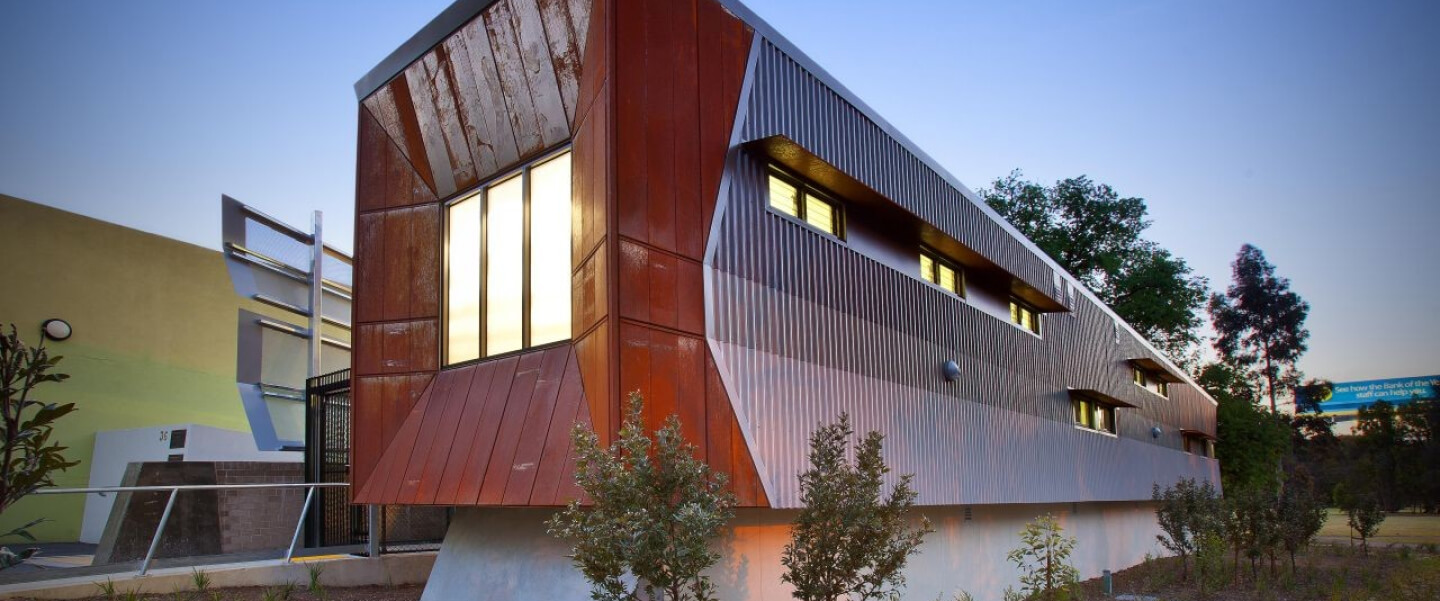
Architecture Matters sought to negotiate the contrasting hard-edged urban and idyllic parkland settings surrounding the Stonnington Animal Pound site, responding to the contemporary architecture of the existing Pound building and adjacent Stonnington Depot complex, whilst meeting the projected requirements for sustainably housing the municipalities’ growing population of lost and abandoned cats in ‘best-practice’ accommodation.

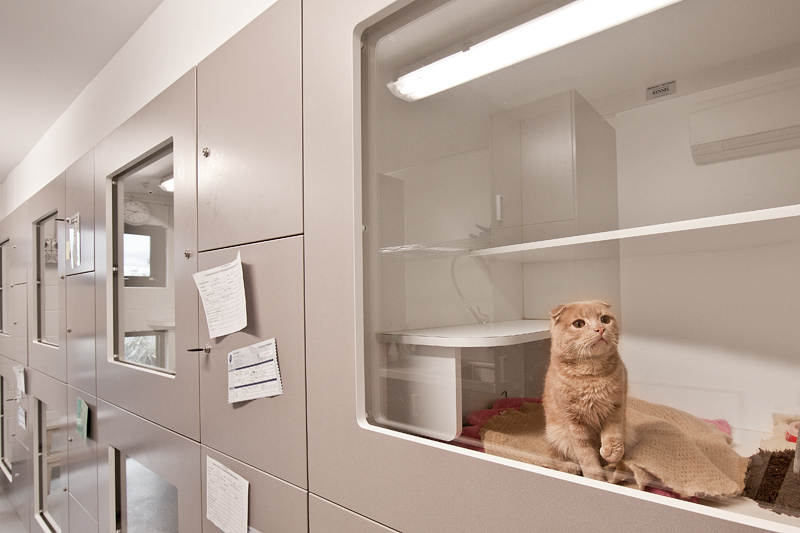
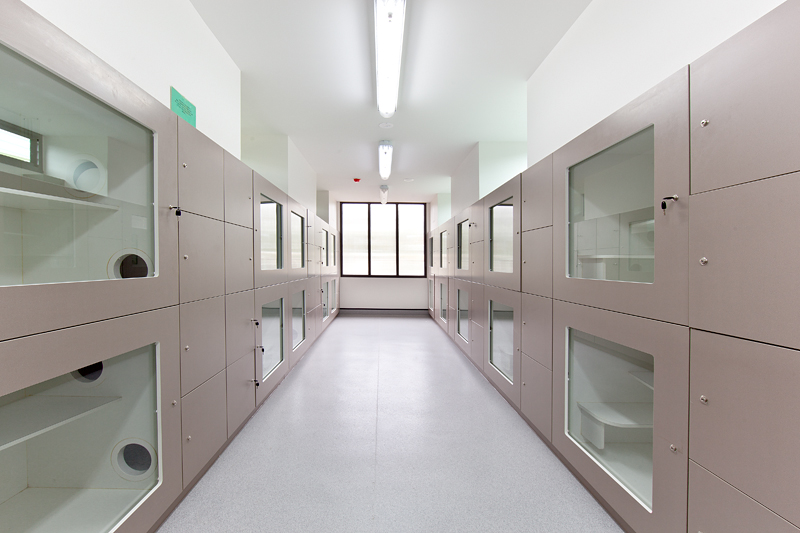
vet wards inside Stonnington Pound

The dynamic entry-screen foils speak directly to the Depot’s nearby road-screens in a gesture towards creating an identifiably unified civic precinct, albeit one with relatively unglamorous use.

The new screens also better signify the building entry whist also providing a filtered outlook into and out of the cats’ outdoor play enclosures.

The resulting wedge-like, steel clad building, with its relatively simple, cost-effective though dynamic forms and textures sits somewhere between the ‘duck’ and the ‘decorated shed’, seeking to engage when viewed from a footpath on arrival, a freeway when passing at speed or from a park-bench in contemplation.

The facilities’ environmental performance was enhanced through rainwater tanks providing rain water for the washing of existing dog enclosures and new WC cisterns; sensor-controlled low-energy light fittings; cross-ventilation opportunities; air conditioning system cut-offs when windows are opened; high-performance thermal roof insulation; low-E, double-glazed and externally shaded windows.

Perched above the dunes | Beach Houses 2013

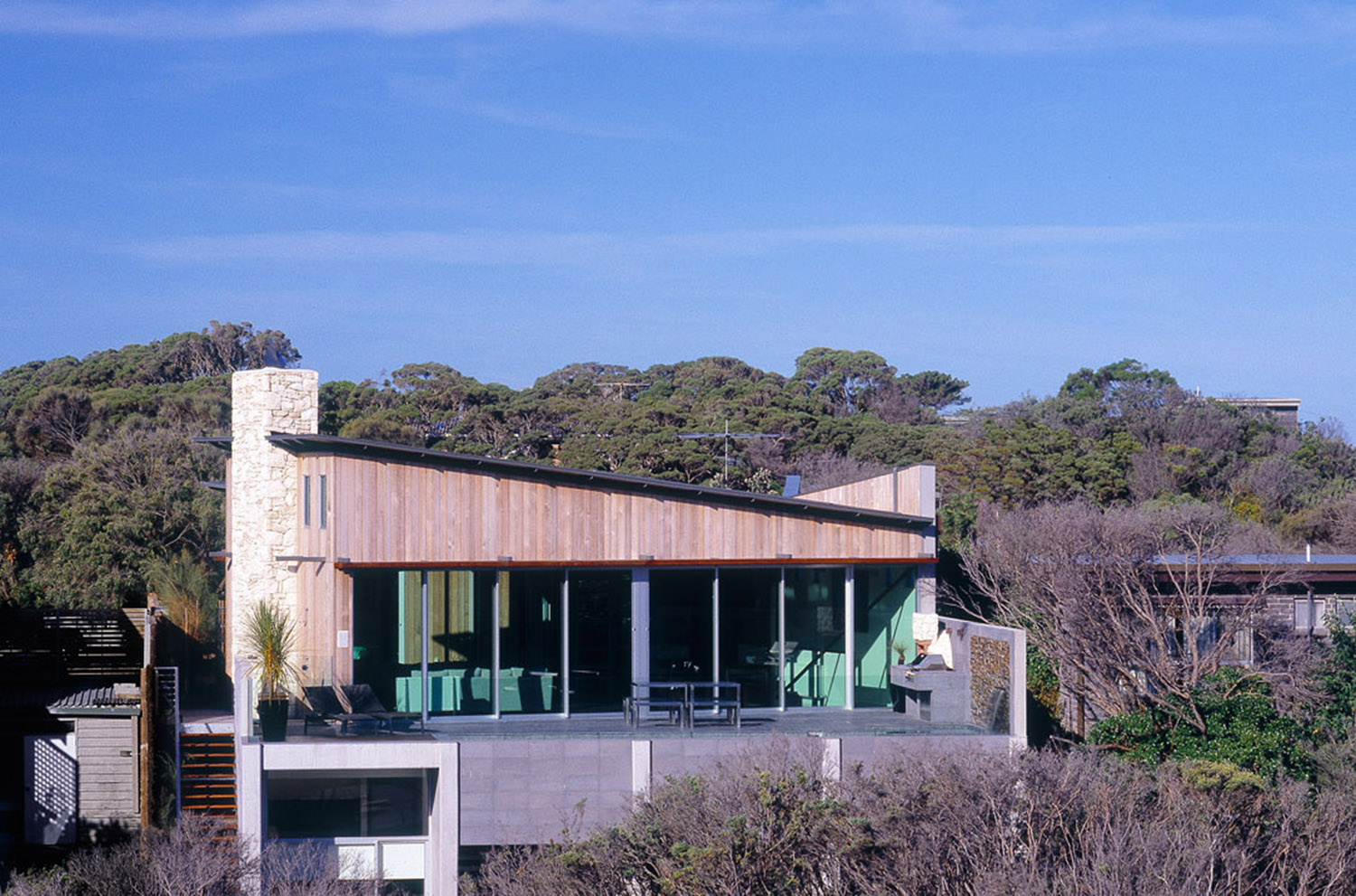
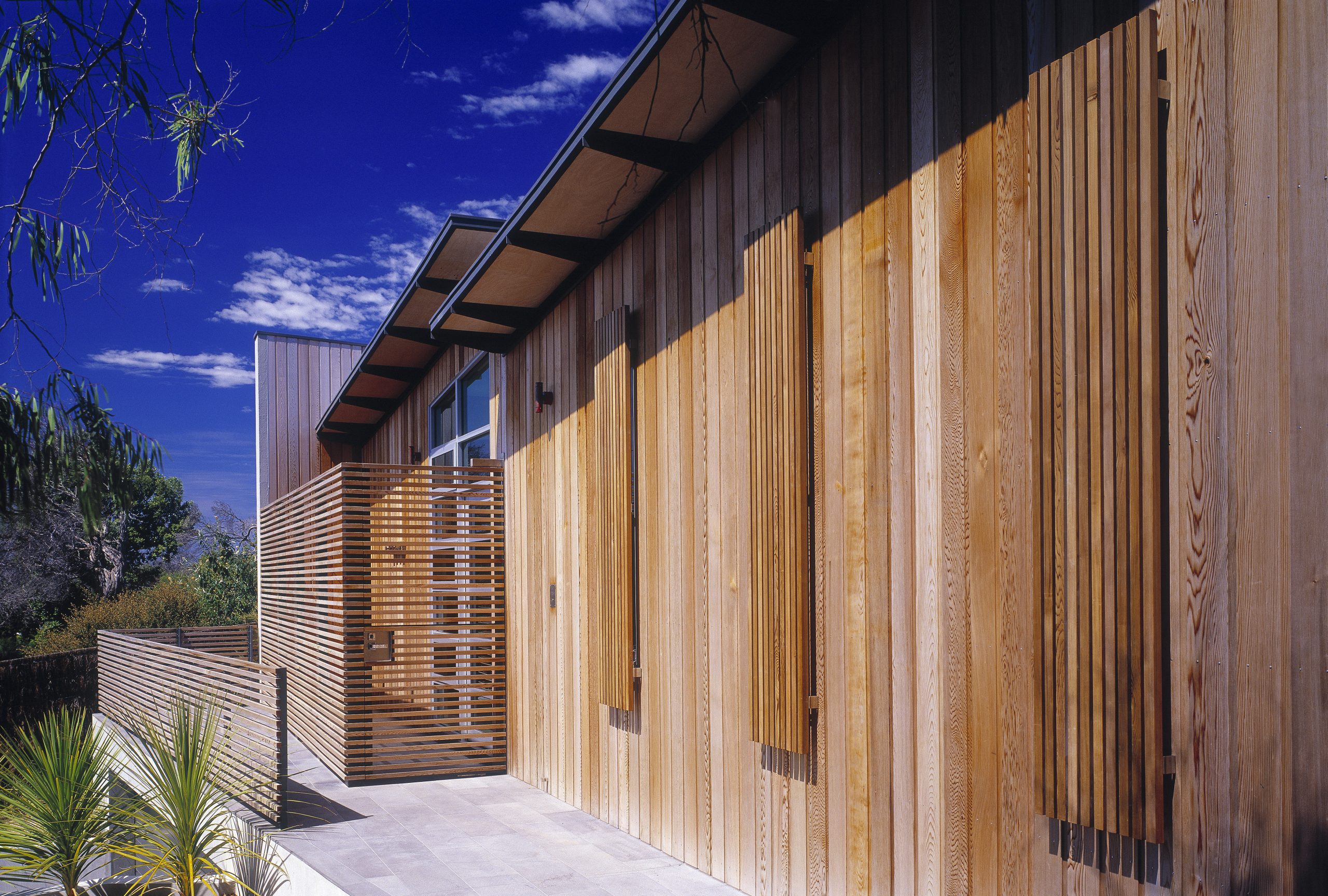
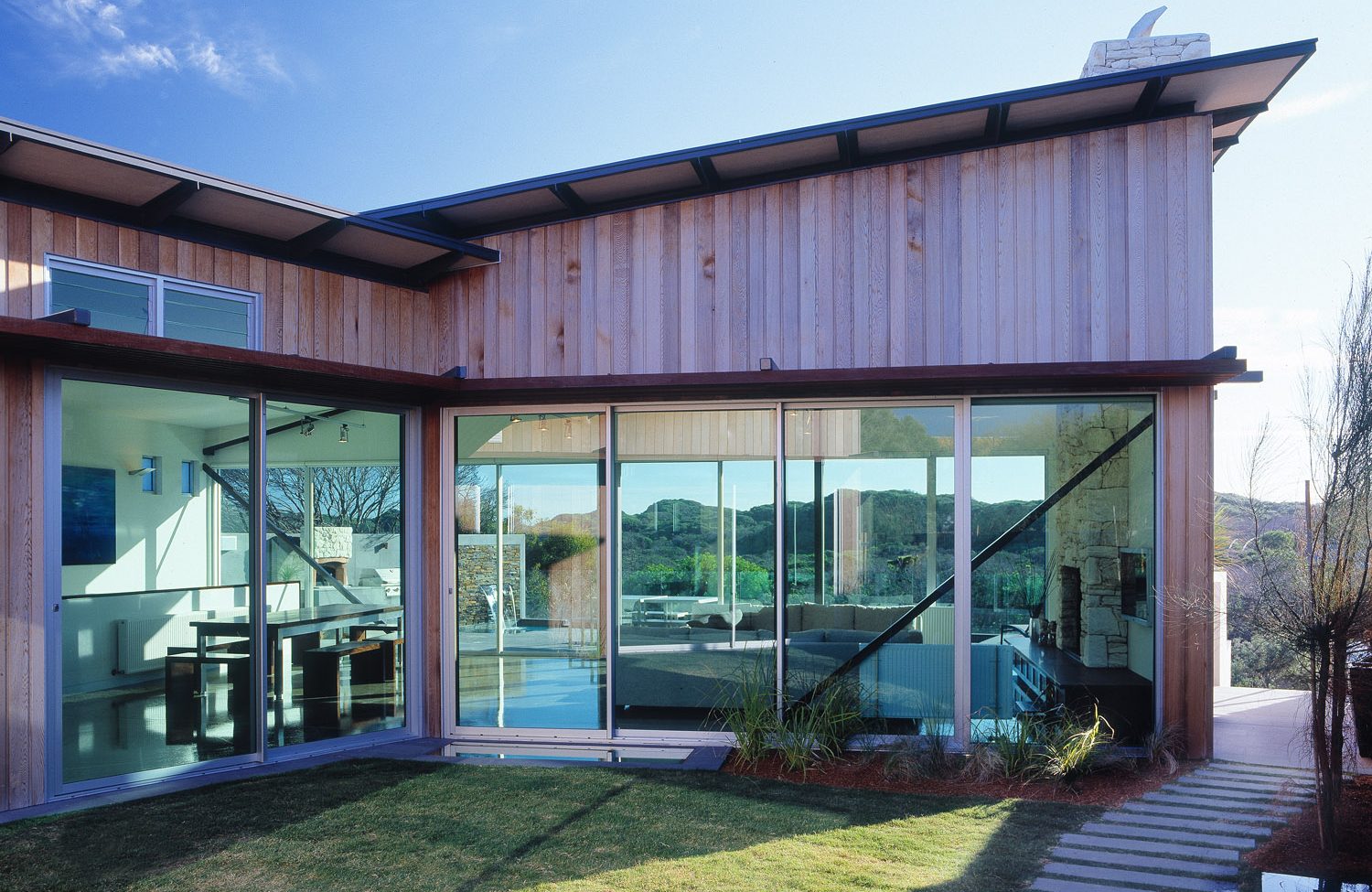
The materials used for the house are treated quite differently on each level. The lower level is made of reinforced concrete. The upper level comprises a steel frame, expansive tinted glass, timber cladding and stone. 

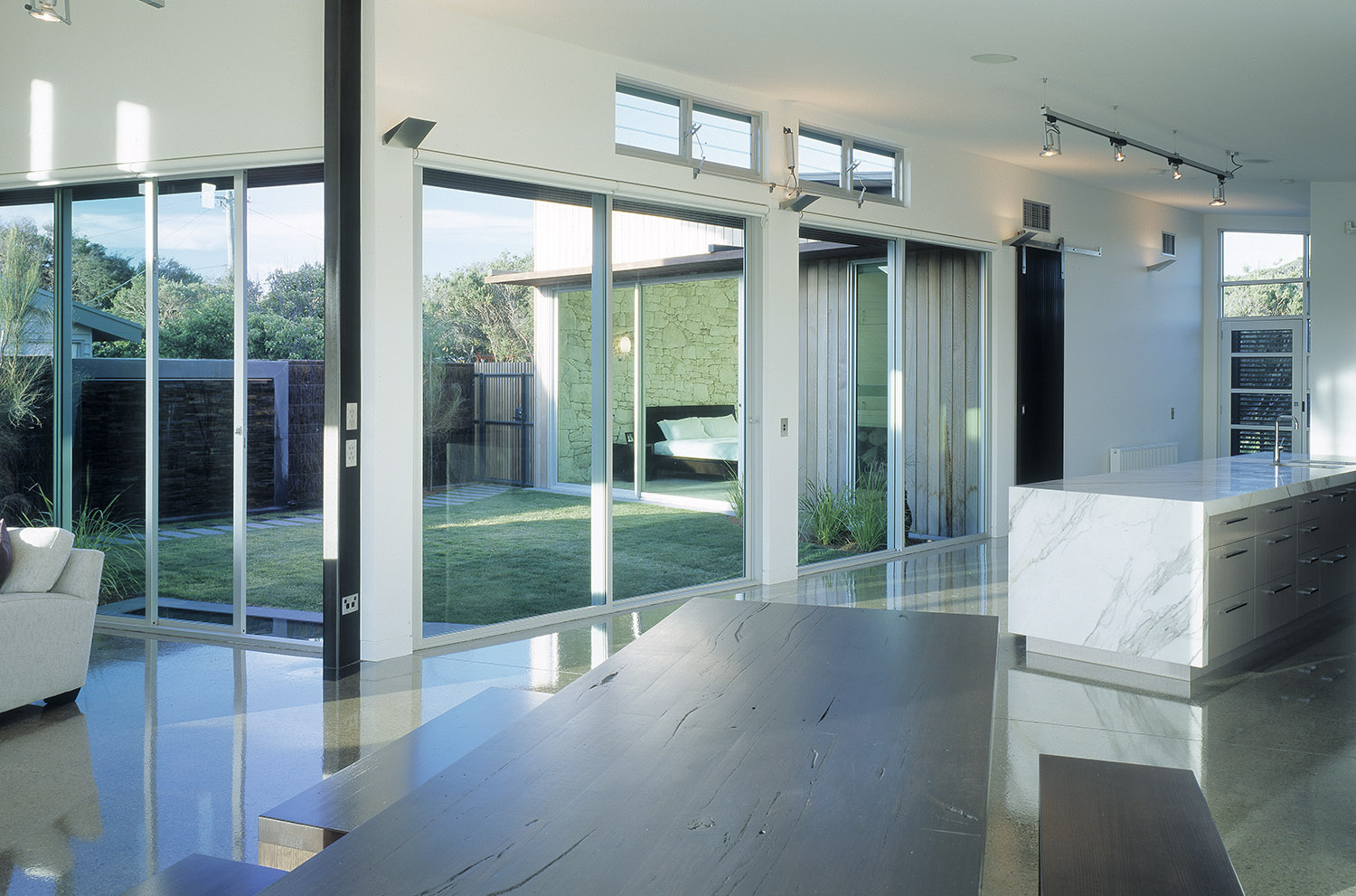
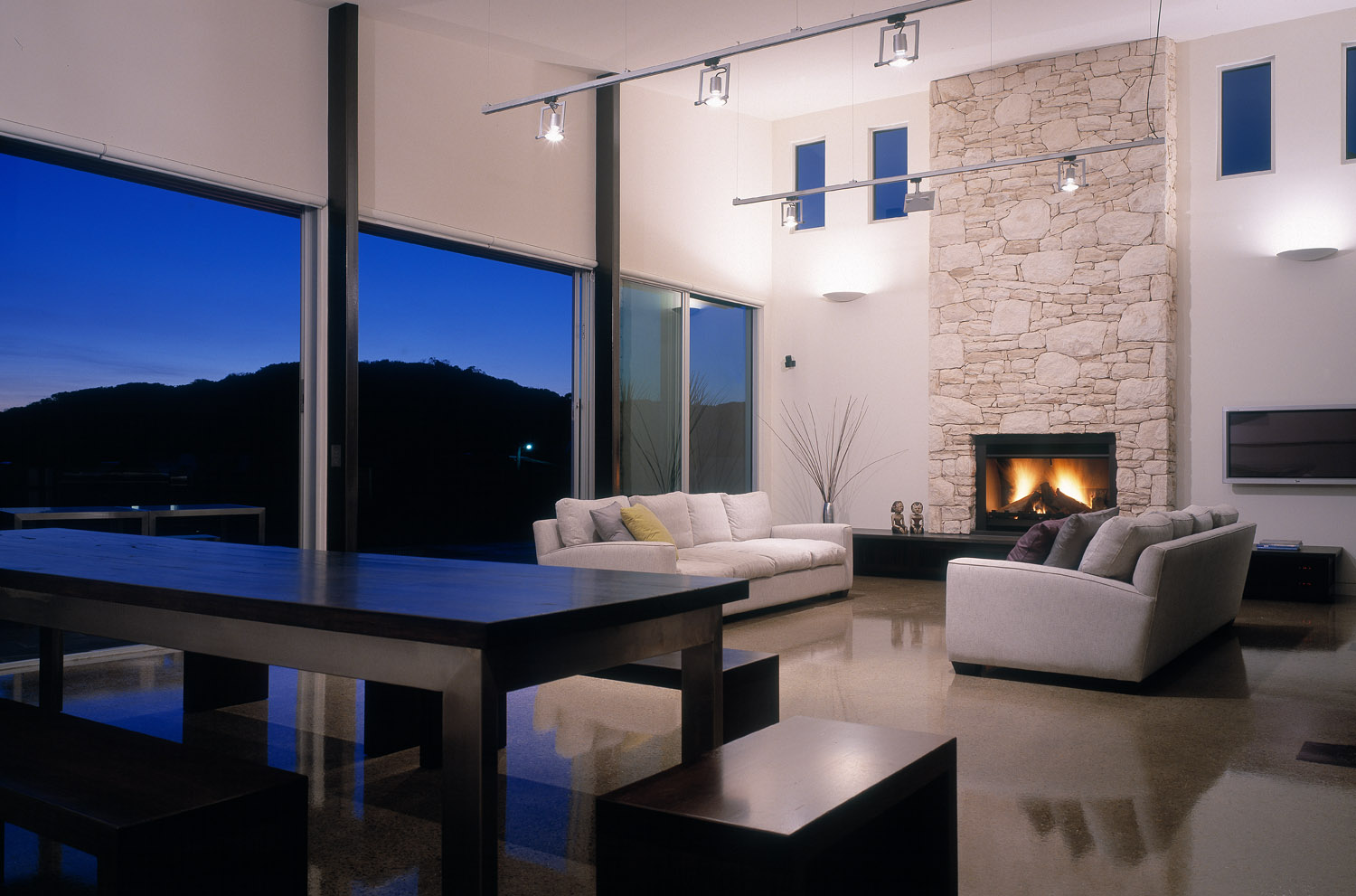
beach house interiors, marble kitchen table top

“The materials pick up the colours of the surrounds. The limestone was quarried locally. And the western red timber will eventually turn a silvery grey, like the trunks of these trees” says Gionfriddo, pointing to the twisted tea trees.

As the site was excavated, the entrance to the house is on the first level.

Read the full article here

Posted in Residential, PublicationsTagged

Dune Dweller | Houses 2013

This beach house speaks volumes about the power of collaboration.

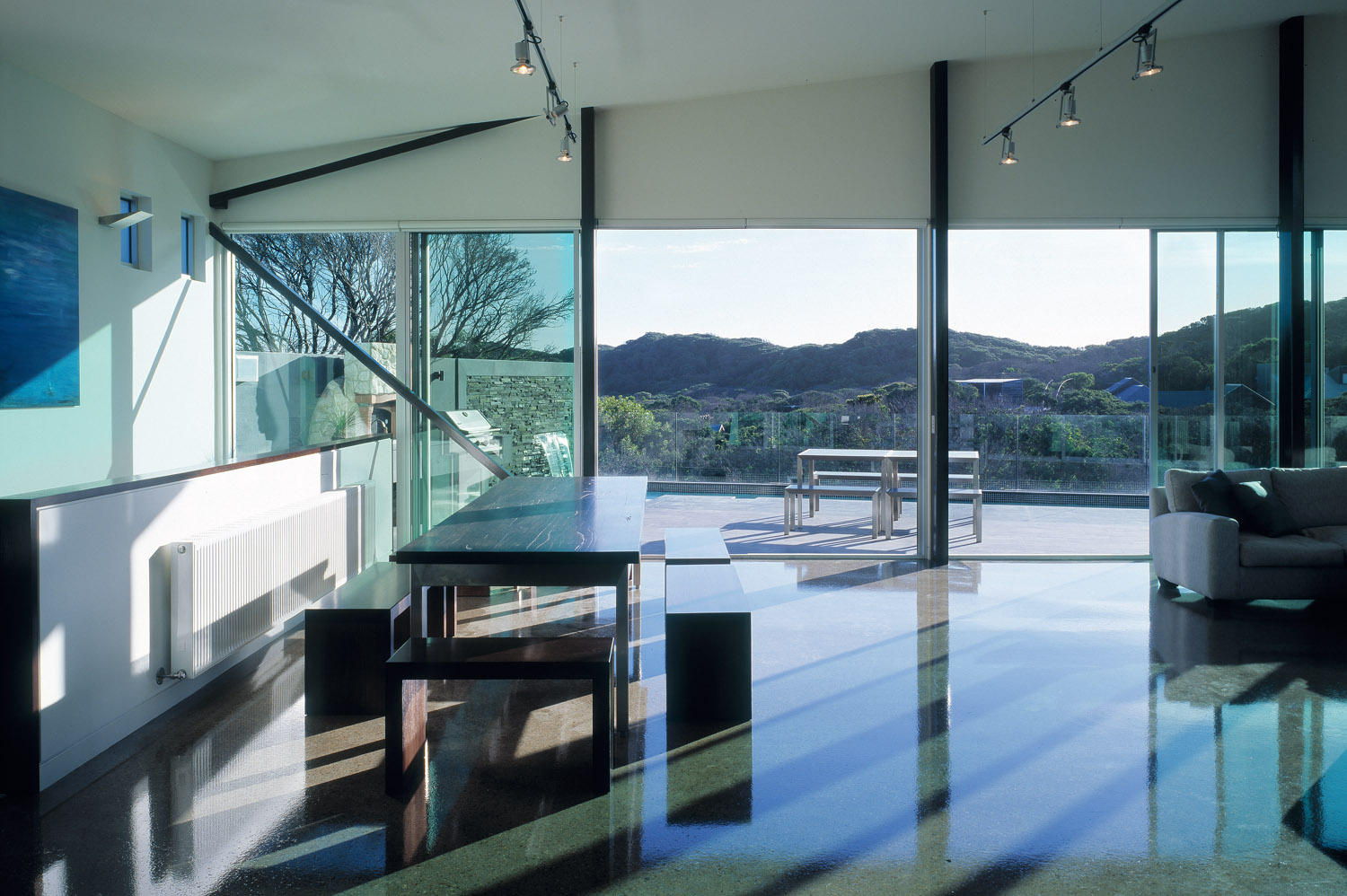
house naturally lit by sun rays

Anthony Gionfriddo’s architectural vision has combined with the technical nous of builder client Matthew Hill to embrace an ambitious brief – to anchor a luxurious holiday house in the dunes while making the most of coastal bush views and remaining discreet from the narrow roadway at the front.

The house also had to cater for children as well as adults and cope with the occasional large gathering.

Read the full article here

Posted in Residential, PublicationsTagged

Hill Residence | 200 Houses 2013

This beach house peers over the dunes. A thin strip of publicly owned foreshore separates the house from the beach.

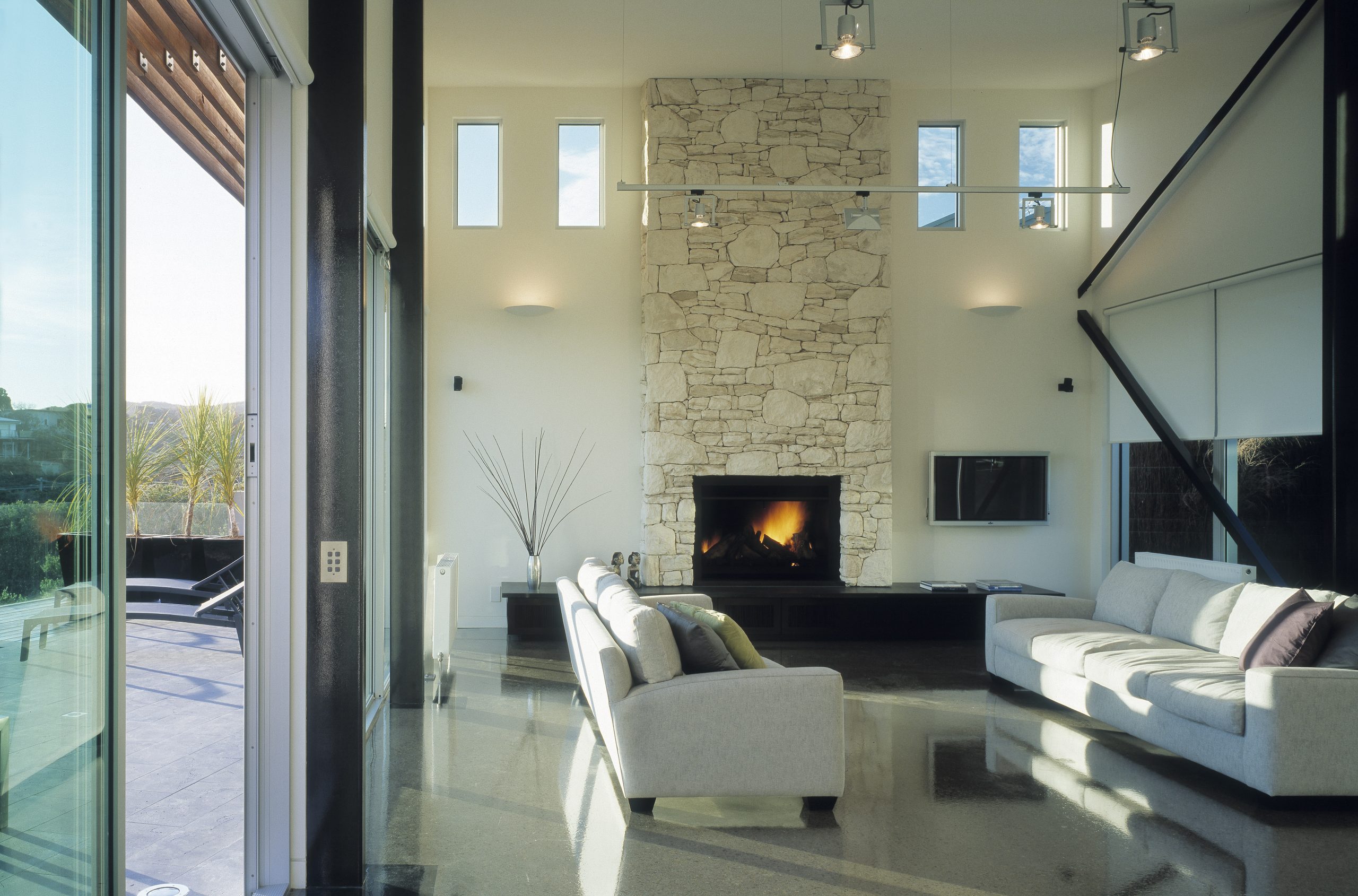
hill residence living room with fireplace

“We could have elevated the house a few metres higher. But we wouldn’t have gained sea views. It would have simply made the house more prominent amongst the gnarled scrub” says architect Anthony Gionfriddo, who designed this two-storey house at Blairgowrie, a one-and-a-half hour’s drive from Melbourne.

Gionfriddo excavated the site, removing fice metres of soil. “It’s a relatively steep slope. I was keen to anchor the house into its coastal setting,” he says.

Read the full article here

Posted in Residential, PublicationsTagged

Stonnington Animal Pound Project | Ancbook 2011

Architecture Matters sought to negotiate the contrasting hard-edged urban and idyllic parkland settings surrounding the Stonnington Animal Pound site, responding to the contemporary architecture of the existing Pound building and adjacent Stonnington Depot complex, whilst meeting the projected requirements for sustainably housing the municipalities’ growing population of lost and abandoned cats in ‘best-practice’ accommodation.

cat inside the vet ward

The dynamic-entry screen foils speak directly to the Depot’s nearby road-screens in a gesture towards creating an identifiably unified civic precinct, albeit one with relatively unglamorous use.

The new screens also better signify the building entry whilst also providing a filtered outlook into and out of the cats’ outdoor play enclosures.

Read the full article here

Period design meets contemporary living | Renovate & Extend 2010

Prior to being renovated, this Melbourne house was a typical inner-urban period home in poor conditional and in need of “tender loving care”.

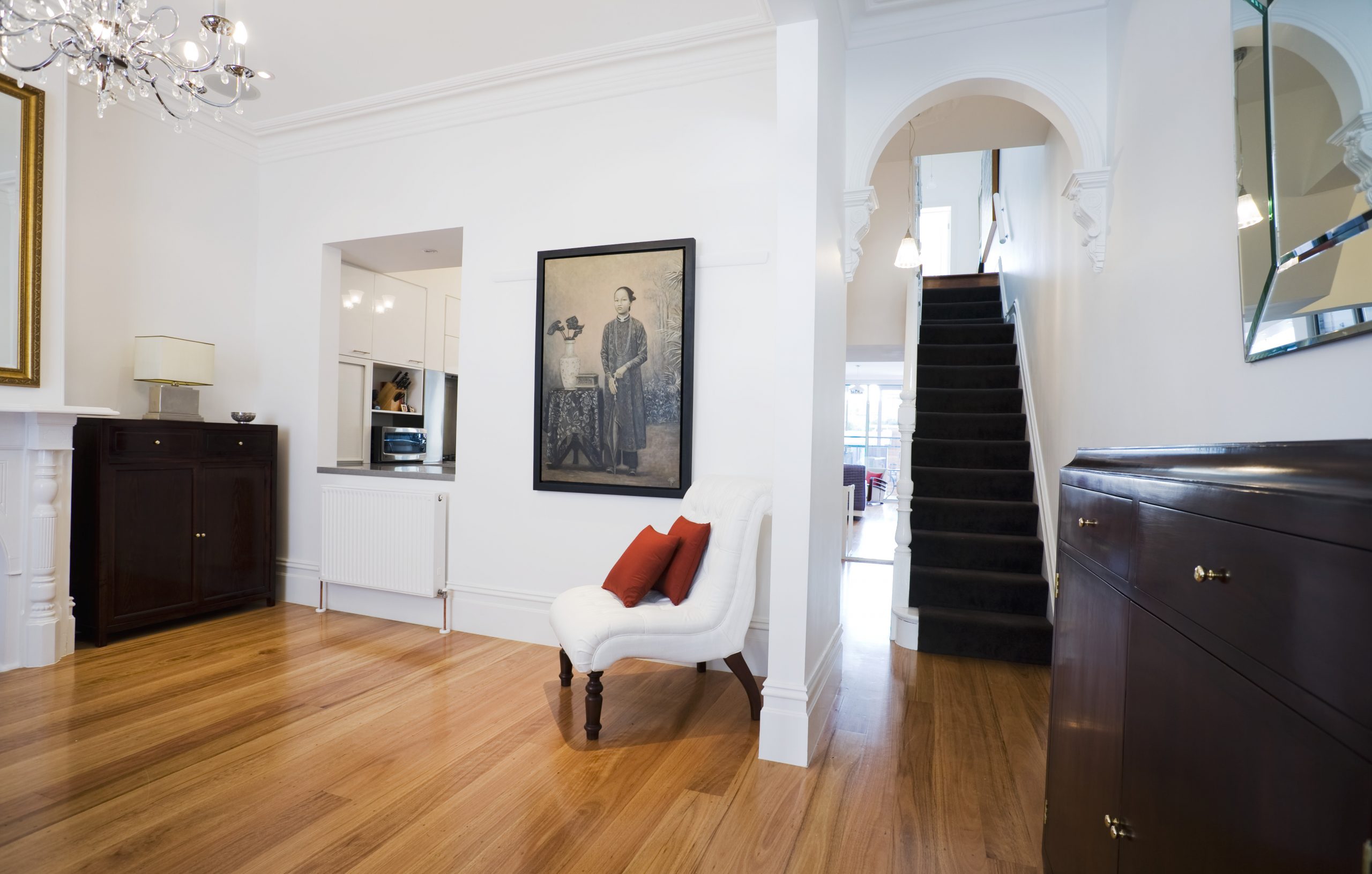
house with a contemporary living interiors, vinyl floors

It was a series of small, relatively dark rooms and was suffering from structura movement. There was also evidence of boner activity.


There was also evidence of borer activity.

Read the full article here

Digs down under | Hinge 2010

For a seaside house in Victoria, Australia, architect Anthony Gionfriddo has generously situated an ensemble of three rectangular forms across a fairly restricted and mundane box-shaped site.

hill residence, a view of the lawn area through the glass walls

The project’s interest derives in part from the juxtsposition of his simple yet intricately positioned pieces and the landscape, and in part from his use of materials, including textured stone, wood and concrete.

The latter elicits a powerful response vis-a-vis the setting – the sloping site and the strong sunlight – and helps convey a general character of leisure and tranquility.

Read the full article here

Posted in Residential, PublicationsTagged